

Hacked by CoupDeGrace
- info@abiscans.com
- Coimbatore | Tiruppur | Pollachi | Palladam | Kanchipuram | Kochi
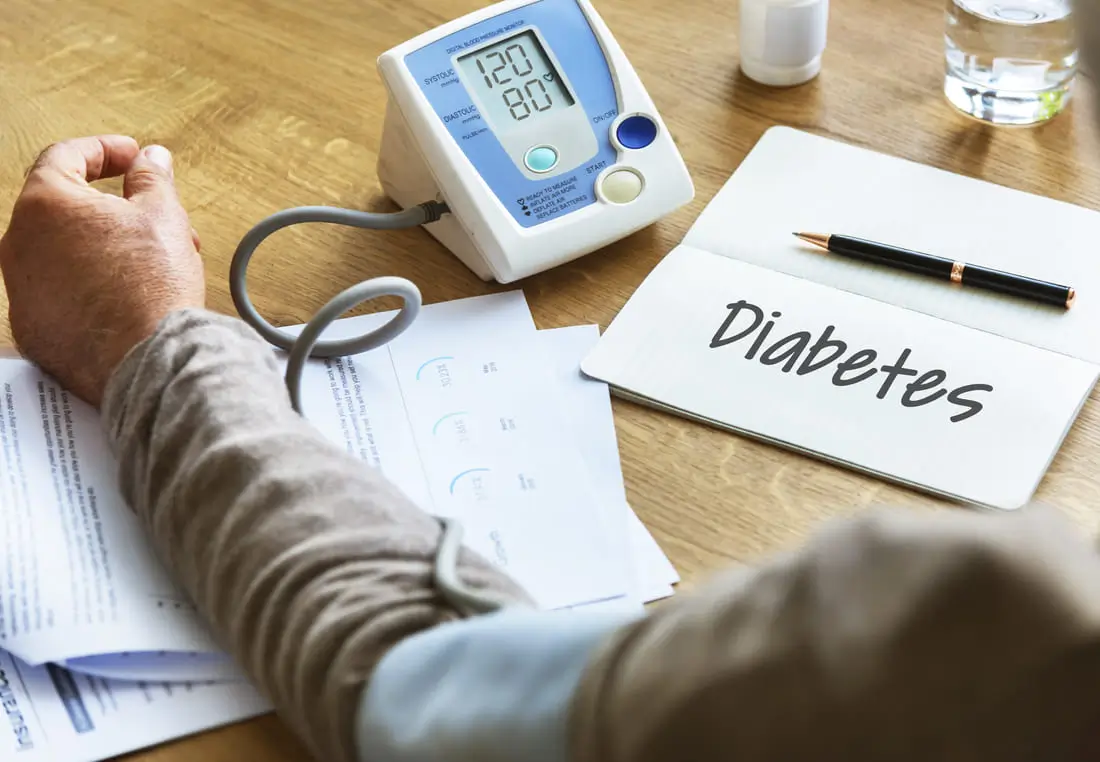
If you are a diabetic patient and your doctor has just recommended an MRI, your first question is probably this: is it even safe for me? The good news is yes, most diabetic patients can safely undergo an MRI scan. However, there are a few important precautions you and your doctor need to be aware of before you step into the scanner.
Table of Contents
ToggleWhether you are looking for an MRI scan in Coimbatore or simply trying to understand what is safe for your condition, this blog will walk you through everything you need to know clearly and confidently.
Yes, diabetes alone is not a reason to avoid an MRI. In most cases, diabetic patients can undergo MRI scans without any complications. The key is preparation and communication with your diagnostic team before the scan.
The MRI machine uses powerful magnetic fields and radio waves to create detailed images of the body’s internal structures. It does not use radiation, which makes it one of the safer imaging options available. According to doctors, the primary concern for diabetic patients is not the diabetes itself but rather the medical devices or implants that some diabetic patients use, such as insulin pumps or continuous glucose monitors. These devices may contain metal components that can be affected by the magnetic field. Experts suggest always informing your technician about any such devices before your scan so the appropriate steps can be taken.
Preparation is the most important step for a diabetic patient before an MRI. Blood sugar management on the day of the scan is critical, especially if fasting is required.
Some MRI scans require the patient to fast for a few hours beforehand. For diabetic patients, fasting can cause blood sugar levels to drop significantly, which can be dangerous if not managed carefully. Studies show that hypoglycemia during a scan can cause dizziness, confusion and in severe cases, fainting. Experts suggest checking your blood sugar levels before the scan and informing the diagnostic team if your levels are too low or too high. Your doctor may adjust your insulin dosage or meal plan on the day of the scan depending on your current management routine.
It is also important to carry your medications and a small snack with you to the centre so that you are prepared for any fluctuation after the scan. If you are on insulin, your care team at the best scan centre in Coimbatore will guide you on whether to take your dose before or after the scan.
This is one of the most critical questions for diabetic patients and the answer requires careful consideration. Most insulin pumps and continuous glucose monitors are not MRI safe and must be removed before entering the scanner room.
The strong magnetic field inside an MRI machine can damage these devices, cause them to malfunction or in rare cases cause heating around the device site. According to leading radiology experts, patients should always check with the manufacturer of their insulin pump or glucose monitor to confirm whether it is MRI compatible. If the device is not compatible, it must be removed by a trained medical professional before the scan. In such cases, your blood sugar will need to be monitored manually during the procedure.
This is why it is essential to book your MRI scan in Coimbatore at a centre where the staff is experienced in handling patients with chronic conditions. At ABI Scans and Labs, our trained technicians take a thorough medical history before every scan to ensure your safety throughout the process.
Some MRI scans require a contrast dye called gadolinium to enhance the clarity of the images. For most patients this is safe, but diabetic patients with kidney complications need special attention.
Diabetes is one of the leading causes of chronic kidney disease. According to nephrologists, gadolinium based contrast agents can in rare cases cause a serious condition called nephrogenic systemic fibrosis in patients with severely impaired kidney function. Experts recommend that patients with diabetic kidney disease undergo a blood test to check kidney function before a contrast MRI is performed. If your eGFR levels are within a safe range, the contrast scan can typically proceed without risk. Your doctor and the diagnostic team will assess this together before administering any contrast agent.
How Does Diabetes Affect MRI Results?
Diabetes itself does not distort MRI images. However, complications arising from long term diabetes such as nerve damage, vascular changes or organ involvement may actually be more visible and easier to diagnose through an MRI.
For example, diabetic patients with foot problems, spinal nerve compression or suspected kidney changes can benefit greatly from detailed MRI imaging. Combining MRI findings with routine blood test results gives doctors a comprehensive picture of how diabetes is affecting the body internally. This is why many specialists recommend MRI as part of a broader diagnostic approach for diabetic patients managing complex conditions.
You can also explore ABI Scans and Labs comprehensive master health checkup packages which are designed to give you a thorough overview of your health in a single visit, combining multiple tests and scans for complete clarity.
Diabetes does not have to stand in the way of getting the scan you need. With the right preparation, proper communication with your medical team and a trusted diagnostic centre by your side, an MRI scan in Coimbatore is entirely safe and accessible for most diabetic patients. The key is to be transparent about your condition, your medications and any devices you use before walking into the scanner room.
If you or someone you know needs an MRI scan in Coimbatore and has concerns about diabetes, reach out to ABI Scans and Labs today. Our experienced team is here to guide you every step of the way. Book your appointment at abiscans.com and take that important step towards clarity and better health.
There is no Better Time than Now, Feel Free to contact us Today.

How to Book a Full Body Checkup in Coimbatore SummaryBooking a full body

Best Home Checkup Service Available in Coimbatore Summary: Busy schedules shouldn't come at the

What Are the Symptoms of Thyroid and How to Test It? Summary: Thyroid gland