

Ultrasound vs MRI for Pregnancy – Which Scan Is Right for You?
- info@abiscans.com
- Coimbatore | Tiruppur | Pollachi | Palladam | Kanchipuram | Kochi

Ultrasound is the standard imaging choice throughout pregnancy, offering real-time, radiation-free monitoring. MRI is reserved for complex cases needing greater detail. Together, they ensure your baby’s health is never left to guesswork.
Table of Contents
TogglePregnancy is one of the most closely monitored journeys of a person’s life, and for good reason. Every scan, every report, and every result carries the weight of two lives. If your obstetrician has recently recommended either an ultrasound scan in Coimbatore or an MRI scan in Coimbatore during your pregnancy, you may find yourself wondering which is safer, which is more informative, and what each one is actually looking for. The straightforward answer is that ultrasound is the primary imaging tool used throughout pregnancy, while MRI is a specialised option reserved for specific, complex situations. This guide will help you understand exactly when each scan is used and why.
Ultrasound has been the cornerstone of prenatal care for decades, and its continued dominance in pregnancy monitoring is no accident. It uses high-frequency sound waves to create real-time images of the foetus, placenta, and uterus, with no radiation involved whatsoever. This makes it completely safe for use at any stage of pregnancy, from the very first confirmation scan at six to eight weeks all the way through to the third-trimester growth assessments that help determine delivery planning.
What makes ultrasound particularly valuable during pregnancy is its versatility and immediacy. A skilled sonographer can assess foetal heartbeat, position, growth, amniotic fluid levels, and placental health all within a single session. For expectant mothers seeking an ultrasound scan in Coimbatore, modern 2D, 3D, and 4D ultrasound technology now offers extraordinary levels of detail, allowing both clinical assessment and those precious early glimpses of your baby’s face that no parent forgets.
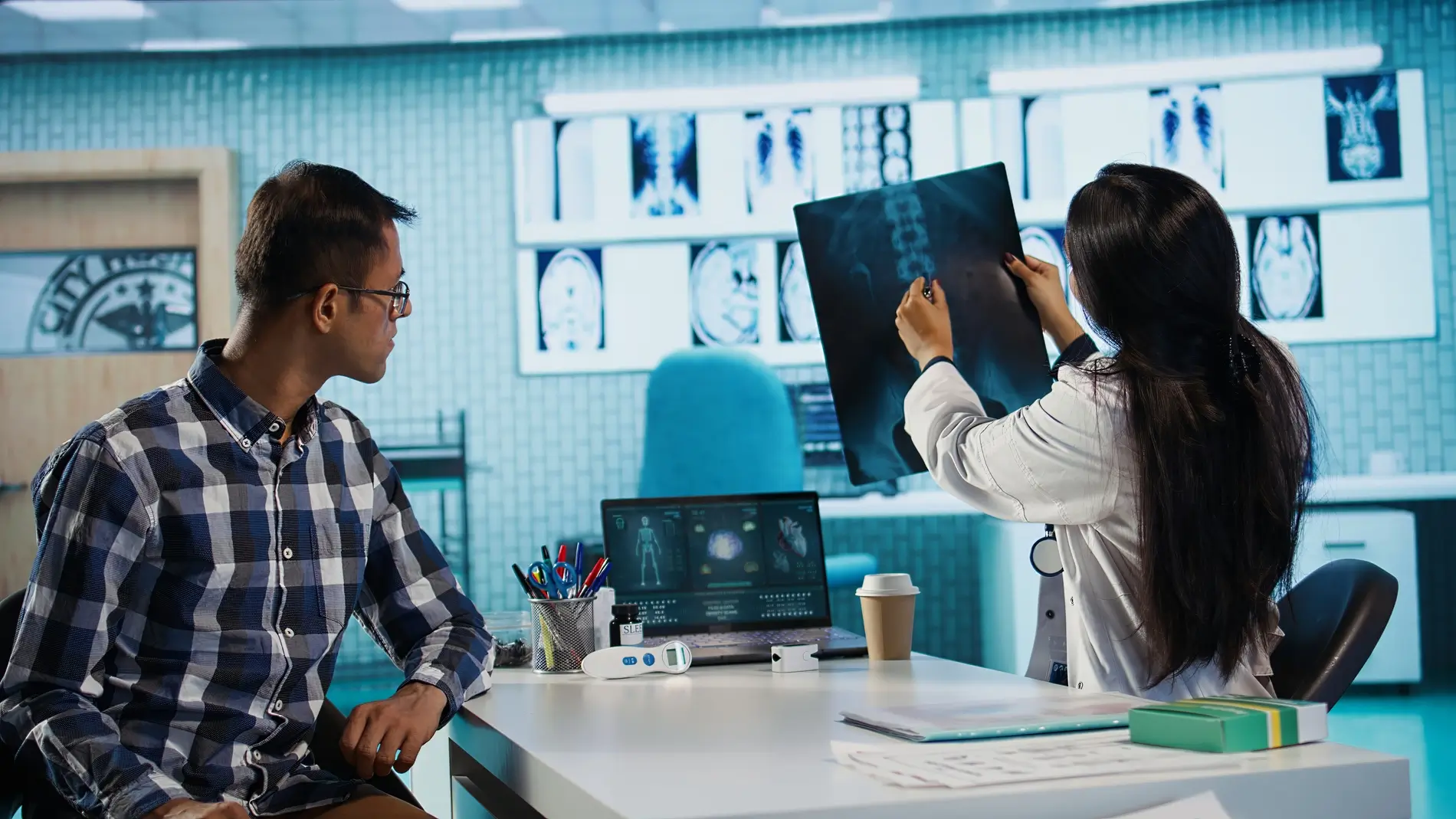
A routine pregnancy ultrasound does far more than confirm that a baby is present and growing. During the first trimester, it verifies the gestational age, confirms the heartbeat, and screens for early chromosomal markers. The second-trimester anomaly scan, typically conducted between 18 and 22 weeks, is one of the most comprehensive assessments in prenatal care, examining the foetal brain, heart, spine, kidneys, limbs, and facial features for any structural abnormalities. Third-trimester scans then focus on foetal growth, position, and placental function to prepare for a safe delivery.
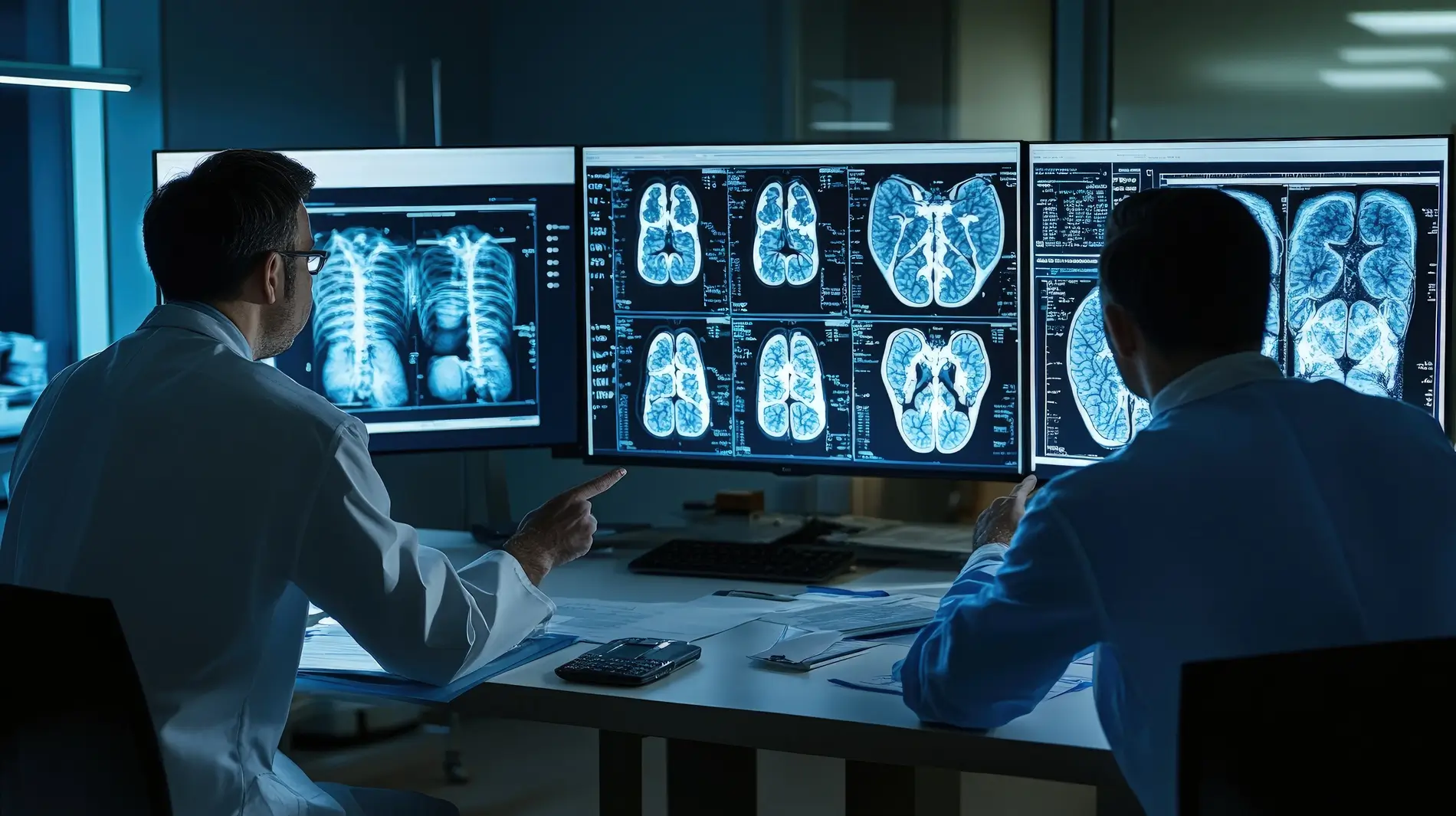
While ultrasound handles the vast majority of pregnancy imaging needs, there are specific clinical situations where its limitations become apparent and where an MRI scan in Coimbatore becomes the more appropriate diagnostic tool. MRI provides far greater soft tissue contrast and field-of-view than ultrasound, making it invaluable when a suspected foetal brain abnormality needs clearer definition, when placenta accreta (a serious condition where the placenta attaches too deeply into the uterine wall) must be evaluated, or when a maternal condition such as a spinal issue or pelvic mass requires detailed imaging that ultrasound cannot provide.
MRI during pregnancy is generally considered safe, particularly after the first trimester, when the foetus is past the most critical stage of early organ development. It does not use ionising radiation, which means it carries no risk of DNA damage to the developing baby. However, it is always used judiciously and only when the clinical benefit clearly outweighs any theoretical concern. Your obstetrician and radiologist will always evaluate your individual case before recommending an MRI during pregnancy.
This is one of the most common and completely understandable concerns expectant parents raise. The current medical consensus, supported by extensive research and guidelines from bodies such as the American College of Radiology, is that MRI is safe for use during pregnancy, especially during the second and third trimesters. The magnetic fields used in MRI do not involve radiation, and there is no documented evidence of harm to the foetus from standard MRI procedures.
The one area of caution involves gadolinium-based contrast agents, which are occasionally used in MRI to enhance image clarity. These are generally avoided during pregnancy unless absolutely necessary, as their safety profile in foetal exposure has not been fully established. Without contrast, a standard MRI poses no known risk to either mother or baby, and its diagnostic benefits in complex cases can be significant.
The relationship between ultrasound and MRI in pregnancy is not competitive but complementary. Ultrasound is your constant companion throughout the nine months, providing regular, real-time reassurance and clinical monitoring at every stage. MRI steps in as a specialist tool when greater anatomical detail is needed to answer a question that ultrasound alone cannot resolve. Together, they represent the full spectrum of pregnancy imaging capability.
For expectant mothers navigating these decisions in Coimbatore, Abi Scans and Labs offers both advanced ultrasound scans and MRI scans conducted by experienced specialists in a calm, patient-centred environment, ensuring that every scan you need is available under one trusted roof.
Pregnancy imaging is not about anxiety. It is about assurance, preparation, and the kind of clarity that allows both parents and doctors to make the best possible decisions at every stage. Ultrasound remains the bedrock of prenatal monitoring, safe, immediate, and rich with information, while MRI provides the deeper diagnostic certainty needed in more complex clinical moments.
Whether you are due for a routine ultrasound scan in Coimbatore or your doctor has recommended an MRI scan in Coimbatore, choosing a centre with the right technology, the right expertise, and the right care matters deeply. Trust the process, ask your questions, and know that every image captured is one more step toward the safe, healthy arrival you are preparing for. Book your pregnancy scan today and give your little one the best possible start.
There is no Better Time than Now, Feel Free to contact us Today.
MRI vs CT Scan – Which Is Better and When? Summary: X-rays are fast
MRI vs CT Scan – Which Is Better and When? Summary MRI and CT

Why Abiscans Is Best for Master Health Checkup in Coimbatore? SummaryA Master Health