10 Postpartum Health Issues New Mothers Should Never Ignore
- info@abiscans.com
- Coimbatore | Tiruppur | Pollachi | Palladam | Kanchipuram | Kochi
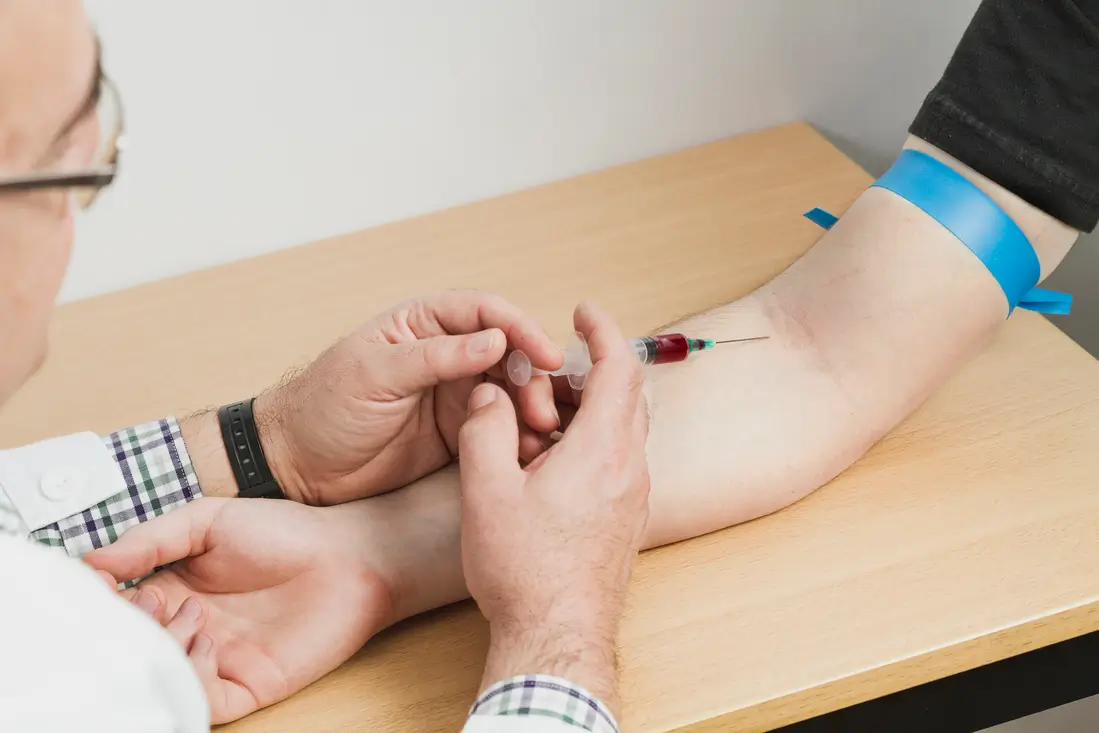
The time you take a blood test matters more than most patients realise. This guide explains how morning and evening draws affect common blood test results, which tests are timing-sensitive, and how to get the most accurate readings from your blood test in Coimbatore.
Table of Contents
ToggleYou’ve booked your blood test for the afternoon because the morning slot didn’t work. Your doctor said to come fasting, you did, and you assumed that was enough. But here’s what most patients don’t know: for several common blood tests, the time of day you walk into the lab affects the result almost as much as whether you fasted at all.
Blood test timing in Coimbatore is rarely discussed at the point of booking, but it carries real clinical weight. Hormones fluctuate across a 24-hour cycle. Lipid levels shift after meals. Cortisol peaks at dawn and drops by evening. These aren’t minor variations. For some tests, a result drawn at 8 AM and one drawn at 4 PM from the same person on the same day can look meaningfully different on paper.
This guide explains which blood tests are timing-sensitive, why the body chemistry changes throughout the day, and how to get the most reliable results from your blood test in Coimbatore.
Yes, and more significantly than most people expect. The human body operates on a circadian rhythm, a roughly 24-hour biological clock that governs hormone production, metabolic activity, and organ function.
According to research published in the journal Chronobiology International, circadian variation affects the reference ranges of several routine blood parameters, including cortisol, testosterone, iron, and TSH (thyroid-stimulating hormone).
This matters because lab reference ranges, the numbers your doctor uses to judge whether your result is normal or abnormal, are calibrated against morning draws. If your sample is collected at a different time and your result is near a boundary value, the timing difference could push it from normal into abnormal territory, or vice versa. That’s not a rounding error. That’s a potential misread.
Several commonly ordered tests are calibrated for morning collection. Drawing them later reduces diagnostic reliability.
Cortisol peaks between 6 AM and 8 AM and hits its lowest point by evening. A 2 PM draw can mimic adrenal insufficiency in a perfectly healthy person, which is why endocrinologists insist on morning collection.
Fasting glucose and lipid panels need the morning not just for the fast, but because metabolic baselines are cleanest before the day’s activity and food alter your circulation. A morning lipid panel gives your doctor your truest cholesterol and triglyceride numbers.
TSH follows the same curve. Levels are highest in the early morning and fall through the day. For patients tracking thyroid conditions over time, a consistent morning draw makes results comparable across visits. Abi Scans offers a dedicated blood test lab in Coimbatore with early morning slots built around exactly these requirements.
Not every blood test demands a morning slot. Several routine markers remain stable enough across the day that afternoon or evening collection does not compromise the result.
Complete Blood Count (CBC) is largely unaffected by time of day. White blood cell counts, red blood cell counts, haemoglobin, and platelet levels do not fluctuate significantly based on circadian patterns, making CBC one of the most timing-flexible tests in routine diagnostics.
HbA1c measures average blood sugar over the past two to three months, is another stable marker. Patients managing diabetes who book their HbA1c for afternoon slots are getting equally accurate readings. For a full breakdown of which tests are included in structured health packages and which ones carry specific timing requirements, the master health checkup guide at Abi Scans provides a test-by-test reference that patients find useful before booking.
Kidney function tests including creatinine and urea are also relatively time-stable, though hydration level matters more than clock time for these markers.
Fasting and timing are two separate variables that both affect blood test accuracy, and they work together rather than independently. A patient who fasts for 10 hours but collects their sample at 3 PM has met the fasting requirement but missed the optimal collection window for cortisol, TSH, and lipid panels. A patient who collects at 7 AM but breaks their fast the night before at midnight has the timing right but the fasting window wrong.
The gold standard for most metabolic panels is a 10 to 12-hour overnight fast with sample collection between 7 AM and 10 AM. If you’re preparing for a blood test in Coimbatore that includes a lipid panel, thyroid function, or glucose markers, this is the combination to aim for. Abi Scans also covers how a blood test shows heart health markers including cholesterol and cardiac biomarkers, with guidance on preparation that applies directly to timing as well.
Timing your blood test correctly is one of the simplest and most overlooked ways to ensure your results are accurate. For cortisol, TSH, fasting glucose, and lipid panels, a morning draw between 7 AM and 10 AM after an overnight fast gives your doctor the cleanest, most interpretable numbers. For CBC, HbA1c, and kidney function, the timing window is wider and the results are more consistent across the day.
A blood test in Coimbatore at the right time, for the right test, with the right preparation is what makes diagnostics genuinely useful rather than just a box ticked before a consultation. Book your blood test at Abi Scans across branches in Coimbatore, Tiruppur, Pollachi, Kanchipuram, and Kochi, and get results your doctor can actually rely on.
There is no Better Time than Now, Feel Free to contact us Today.
Morning vs Evening Blood Tests: Does Timing Matter? Summary: The time you take a

Early Signs of Lung Disease That Show Up in Diagnostic Tests Summary: Lung disease

How to Book a Full Body Checkup in Coimbatore SummaryBooking a full body