Kidney and Eye Damage Caused by Diabetes: Early Warning Signs
- info@abiscans.com
- Coimbatore | Tiruppur | Pollachi | Palladam | Kanchipuram | Kochi

Knowing how often to check your blood sugar levels depends on whether you’re healthy, pre-diabetic, or managing diabetes. This guide explains the right testing frequency for each stage, which blood tests to take, and why a timely blood test in Coimbatore can catch the difference before it becomes a diagnosis.
Table of Contents
ToggleA blood test in Coimbatore for blood sugar is not a reactive measure reserved for sick people. It’s a proactive tool that tells you where you stand in a spectrum that moves gradually, from healthy to pre-diabetic to diabetic, with a meaningful intervention window at every stage. According to the Indian Council of Medical Research (ICMR), India has over 101 million people living with diabetes, many of whom were pre-diabetic for years before diagnosis.
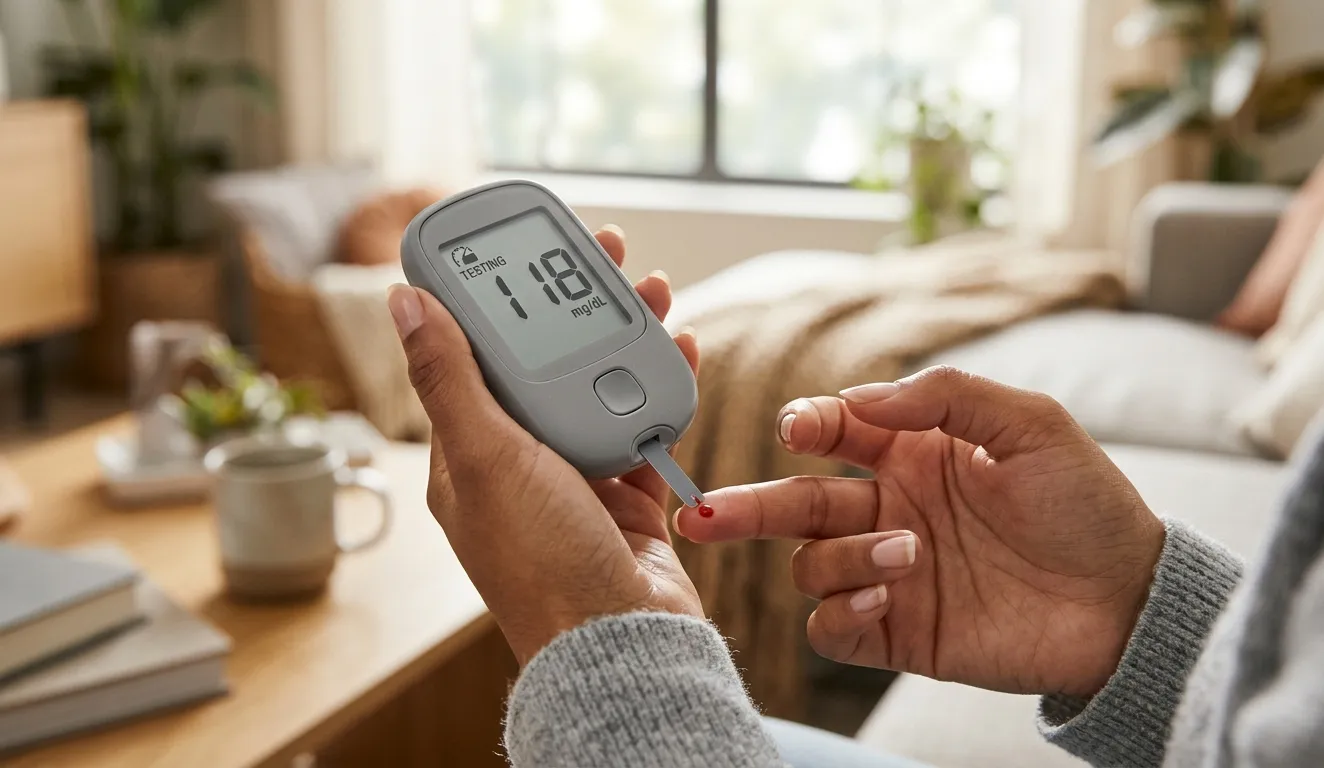
For healthy adults with no risk factors, fasting blood sugar and HbA1c once a year as part of a routine health checkup provides a reliable baseline. For adults with risk factors including obesity, a family history of diabetes, high blood pressure, or a sedentary lifestyle, testing every six months gives doctors a trend to work with rather than a single data point. For people already diagnosed with pre-diabetes, a fasting glucose and HbA1c every three months tracks whether the condition is being managed or progressing. For diagnosed diabetics, frequency is determined by their treatment plan, but most doctors recommend self-monitoring multiple times daily alongside a lab HbA1c every three months.
There are four main blood sugar tests, and each one tells a different part of the story. Choosing the right one depends on what you’re trying to find out.
The Fasting Blood Sugar (FBS) test measures glucose after an 8 to 10-hour overnight fast. It reflects your baseline metabolic state without the influence of recent food intake. A reading below 100 mg/dL is normal. Between 100 and 125 mg/dL indicates pre-diabetes. Above 126 mg/dL on two separate occasions confirms diabetes.
The HbA1c test measures the percentage of haemoglobin in your blood that has glucose attached to it, reflecting your average blood sugar over the past two to three months. A single fasting test tells you what your glucose is today. HbA1c tells your doctor what it has been averaging for the past quarter. This is the most reliable marker for long-term diabetes management and early detection of progressive pre-diabetes. Abi Scans covers all these tests in detail in their guide to types of blood sugar tests for diabetes, including when each one is most appropriate.
The Random Blood Sugar (RBS) test can be taken at any time without fasting. It’s used for quick assessments and emergency screenings. A reading above 200 mg/dL at any time, with symptoms like excessive thirst and frequent urination, is a clinical indicator of diabetes.
Certain groups carry a significantly higher baseline risk and benefit from more frequent testing, even without symptoms. Adults over 35 with a BMI above 23, women who had gestational diabetes during any pregnancy, people with polycystic ovarian syndrome (PCOS), and anyone with a first-degree relative who has Type 2 diabetes all fall into this category.
For these groups, waiting for the annual health checkup window is not the best strategy. A blood test in Coimbatore every six months, combining fasting glucose with HbA1c, catches rising trends before they cross the pre-diabetes threshold.
A diabetic result means a treatment plan begins, not that the story ends. HbA1c monitoring every three months gives your doctor the data needed to assess whether medication, diet, and lifestyle changes are working. For patients managing blood sugar alongside other conditions like hypertension or high cholesterol, a master health checkup in Coimbatore that bundles glucose testing with a lipid panel, kidney function, and cardiac markers gives a complete metabolic picture in a single visit.
There is no Better Time than Now, Feel Free to contact us Today.

Silent Health Problems Men Often Ignore Until It's Too Late Summary: Men often

Five Health Tests Everybody Above 30 Should Book This Year Summary: Turning 30
How Often Should You Check Your Blood Sugar Levels? Summary: Knowing how often to